
Michigan
May 21-22, 2026
THANK YOU, ANN ARBOR!
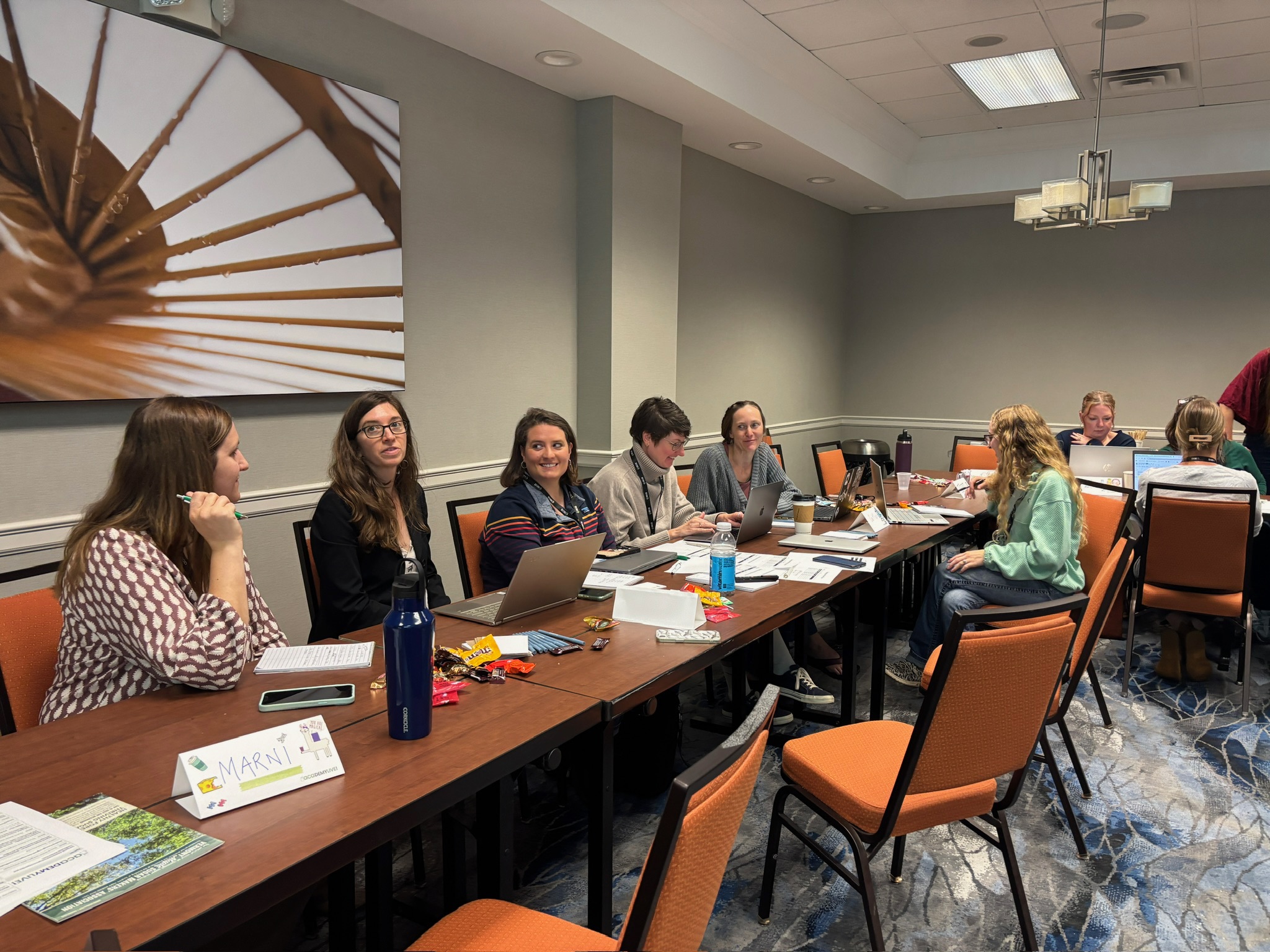
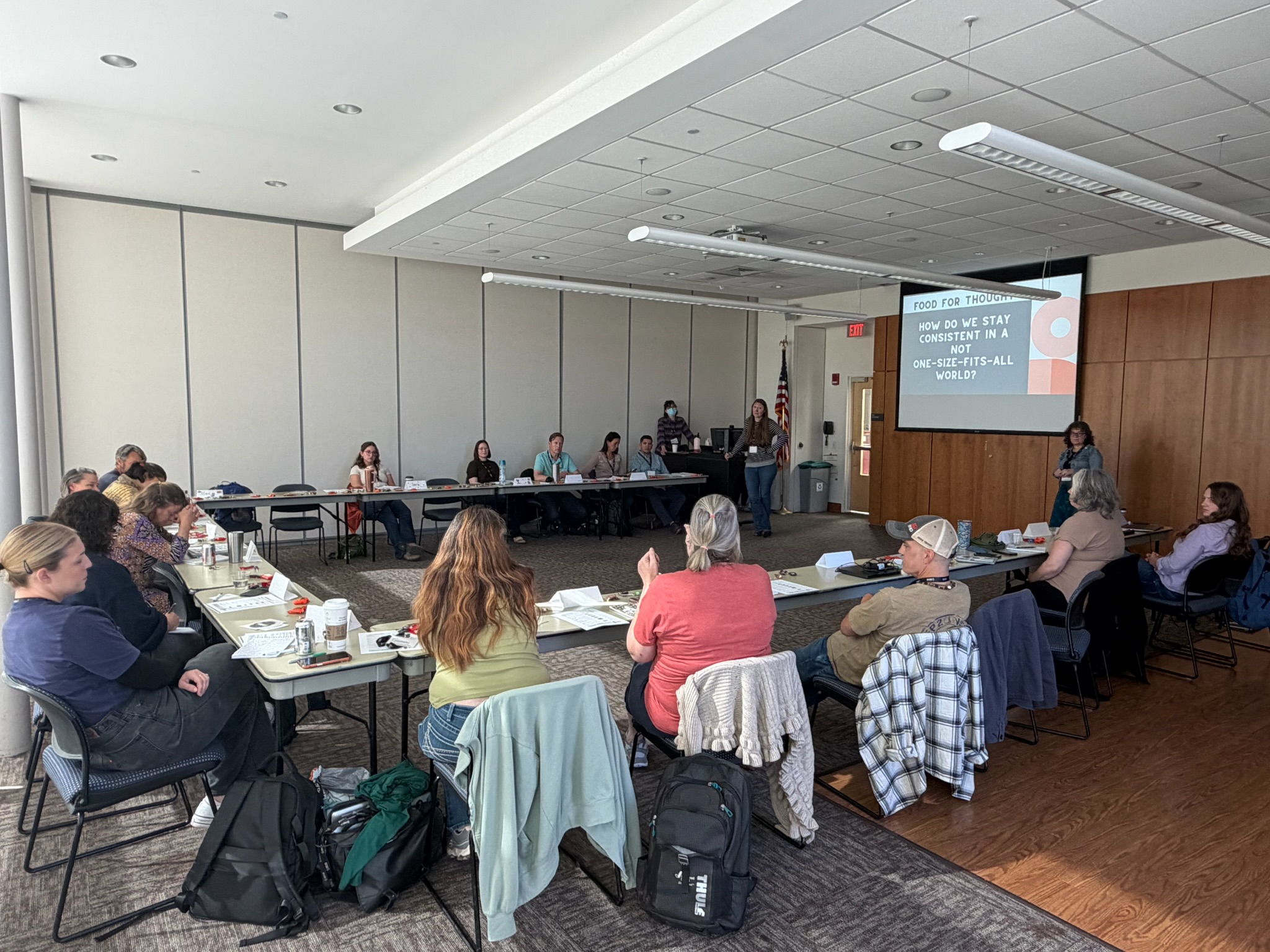
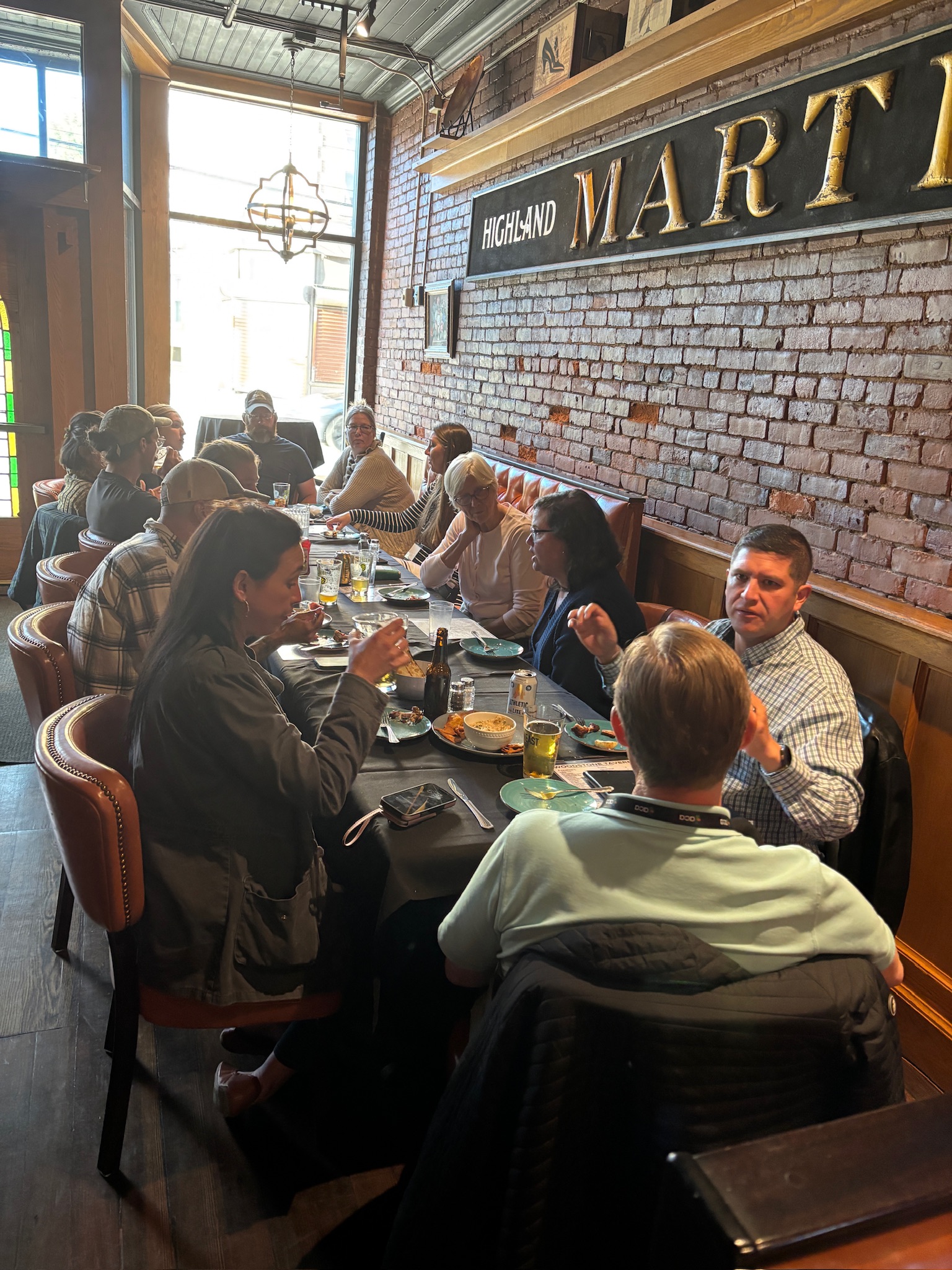
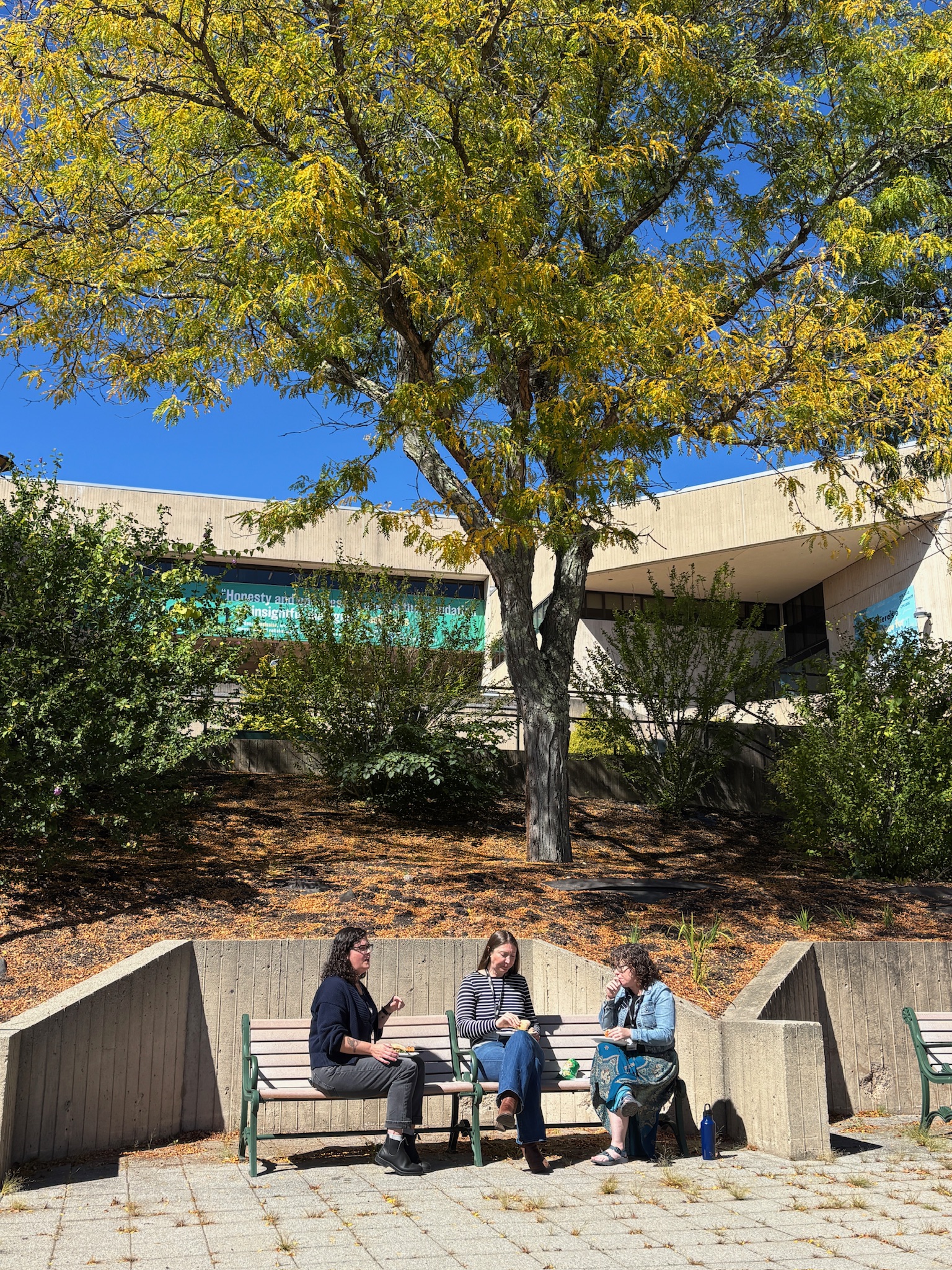
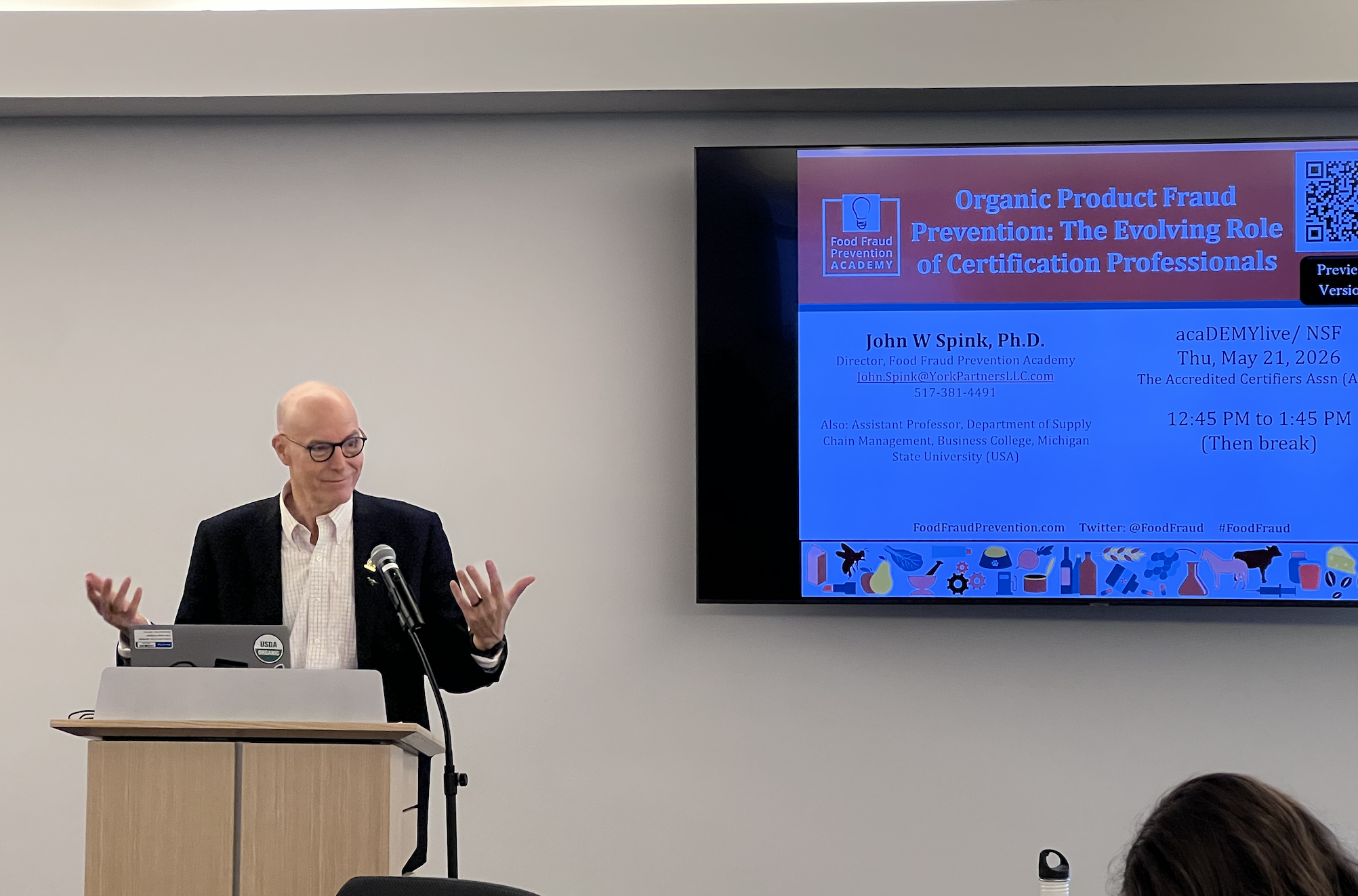
acaDEMY LIVE! came to Ann Arbor on May 21–22, and it delivered! Two days of deep, practical sessions covering risk assessment, fraud prevention, pesticide test navigation, and materials review.
The room was full of sharp, dedicated people, and the passion and commitment showed: the conversations were thorough, the sessions were substantive, and the energy carried straight through every moment.
We can’t wait to be back LIVE at other events this year!
“I do not exaggerate when I say that this event was downright fun. I can safely say that I never imagined myself laughing out loud at a presentation on pesticide residue test analysis, and yet, I found myself doing just that. The small group size of the event provided opportunities to socialize with peers from the industry and allowed each presentation segment to incorporate an element of group discussion. Our collection of attendees quickly came to feel like a team rather than just a group of colleagues in the same industry.
The presentation topics themselves were highly relevant to my work in certification, particularly the segment on risk-based approaches to certification work and materials assessment, as well as fraud prevention. The presenters ranged from ACA staff to a university professor to local TOPP mentors, each of whom gave a thoughtful and thought-provoking presentation.”
-Abby King, NICS, and Certification Decision Officer


Holyoke, MA
September 24-25, 2026
Join ACA at the Kittredge Center at Holyoke Community College in Holyoke, MA. The cost to attend is $400 and includes lunch on Day 1.
******
Please note: ACA staff will be staying at the Fairfield Inn in Holyoke. However, hotel rooms in the area are at a premium due to the Big E. Please make your reservation TODAY. You may also want to check out local B&B’s.
Agenda – subject to change
Day 1
8:30-9am – Registration
9-10:30am – Using Risk Assessment to Improve Inspection and Certification Review Part I – Marni Karlin and Meredith Morgan
Verifying compliance with the organic regulations is not a one-size-fits-all proposition. Using a risk-based approach (assessing the risk to organic integrity of operations and situations, and then using that assessment to inform compliance verification procedures) will benefit the entire system – it will maximize the use of certification and inspection resources and talent, minimize unnecessary burdens on operations, and enable resources to be put toward areas where there is higher risk of compromise to organic integrity. Join us as we present ACA’s new risk-based certification tools and consider how they can improve the work of inspectors, reviewers, and certification overall.
10:30-10:45am – Break
10:45-11:45am – Is It Compliant? Nonretail Labeling Decisions Under 7 CFR 205.307 – Lora Welliver, Ecocert
ACA and certifier “best practices” for nonretail container labeling are useful reference points, but real-world supply chains do not always fit neatly within a standard playbook. In this interactive session, we will work through scenarios where an auditor or client reports a nonretail labeling practice that departs from best practice and ask the practical question: is it compliant under 7 CFR 205.307?
In small groups, attendees will evaluate the underlying purpose of the requirement (preventing commingling and product switching) and decide whether a noncompliance is warranted based on risk to organic integrity. Participants will practice drafting clear, defensible NONCs that explain not only what requirement was not met, but why the practice matters to organic integrity, using the regulatory text and (where helpful) the NOP preamble to articulate the “why” behind the rule.
We will also discuss how to assess proposed corrective actions that may demonstrate compliance even if they are not the most straightforward or typical solution.
11:45am-12:45pm – Lunch provided by ACA
12:45-1:45pm – Can I Say That? Consulting vs. Technical Assistance on Small Farms – Meredith Morgan, QCS
This session explores the important distinction between certification activities and consulting, helping organic certifiers confidently identify what guidance can and cannot be provided to clients. Through practical examples and real-world scenarios, participants will learn how to deliver exceptional customer service while maintaining impartiality and preserving the integrity of the certification process. The session will clarify common gray areas, equip certifiers with strategies for responding to client questions, and build confidence in communicating requirements without crossing into consulting. Attendees will leave with a clearer understanding of their role and tools for supporting clients in a professional, compliant, and customer-focused manner.
1:45-2pm – Break
2-3pm – Dry Matter Intake: The Foundation of Organic Pasture Compliance – Rachel Myers
Dry matter intake (DMI) is at the heart of organic livestock management and certification. It is the basis for evaluating compliance with the USDA organic pasture requirements, balancing livestock rations, and understanding how feeding and grazing management work together throughout the grazing season.
This session will provide a practical overview of dry matter, why it matters, and how to calculate dry matter intake. Participants will examine how DMI is used to determine compliance with the pasture rule, including the requirement that ruminants obtain an average of at least 30 percent of their dry matter intake from pasture during the grazing season.
Because dry matter demand is influenced by far more than simple calculations, the session will also explore the management factors that affect DMI, including forages, species and class of livestock, weather, grazing management, milk production, and regional differences. Through real-world examples, participants will learn how to evaluate DMI calculations in the context of an operation’s management rather than relying solely on formulas.
3-3:15pm – Break
3:15-4:45pm – You’re the Panel!
Using themes from recent TOPP projects, attendees will serve as the panel to discuss important topics in certification like fostering good inspector/reviewer relationships, what challenges certifiers and inspectors face at work, and more!
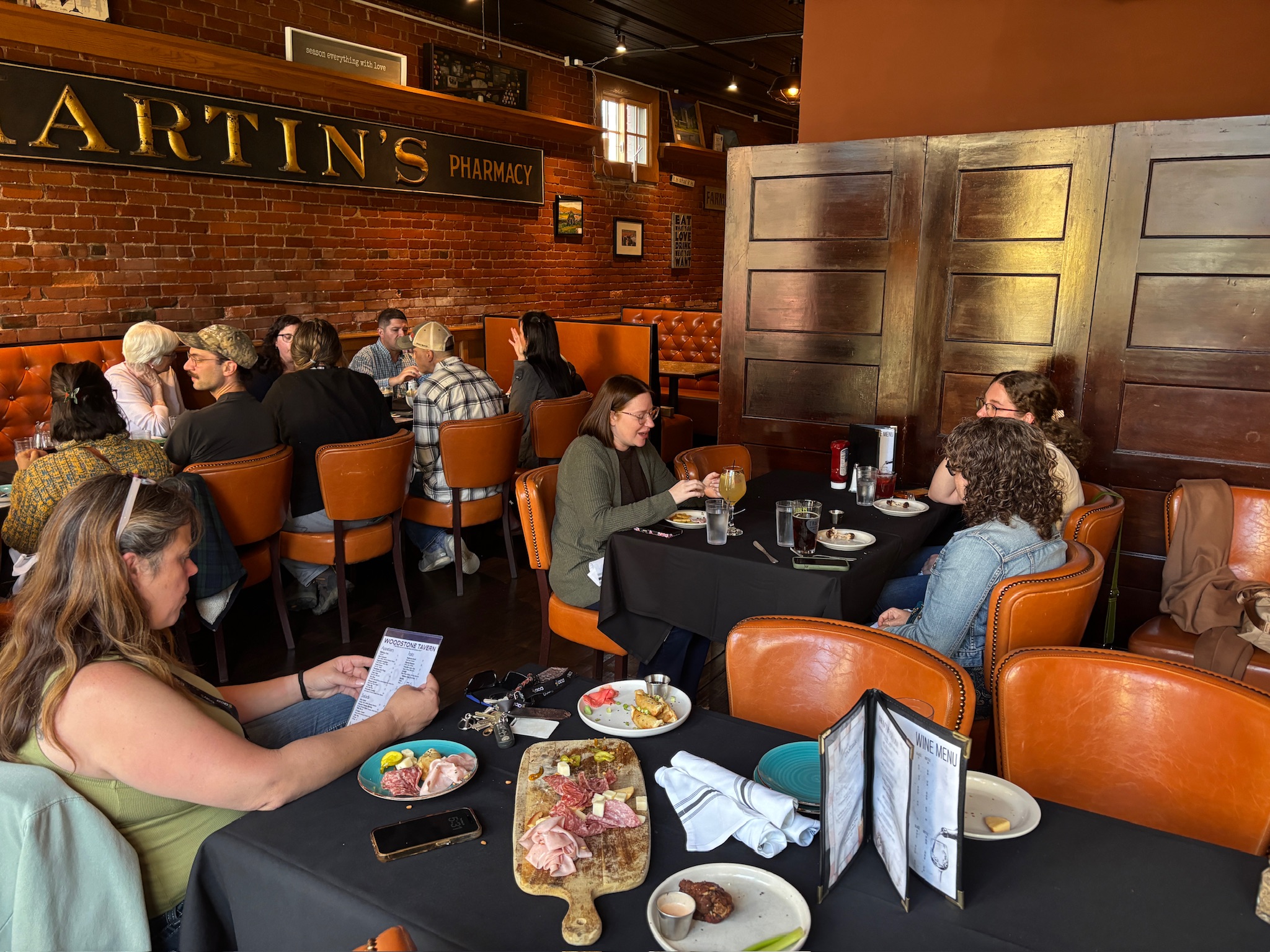
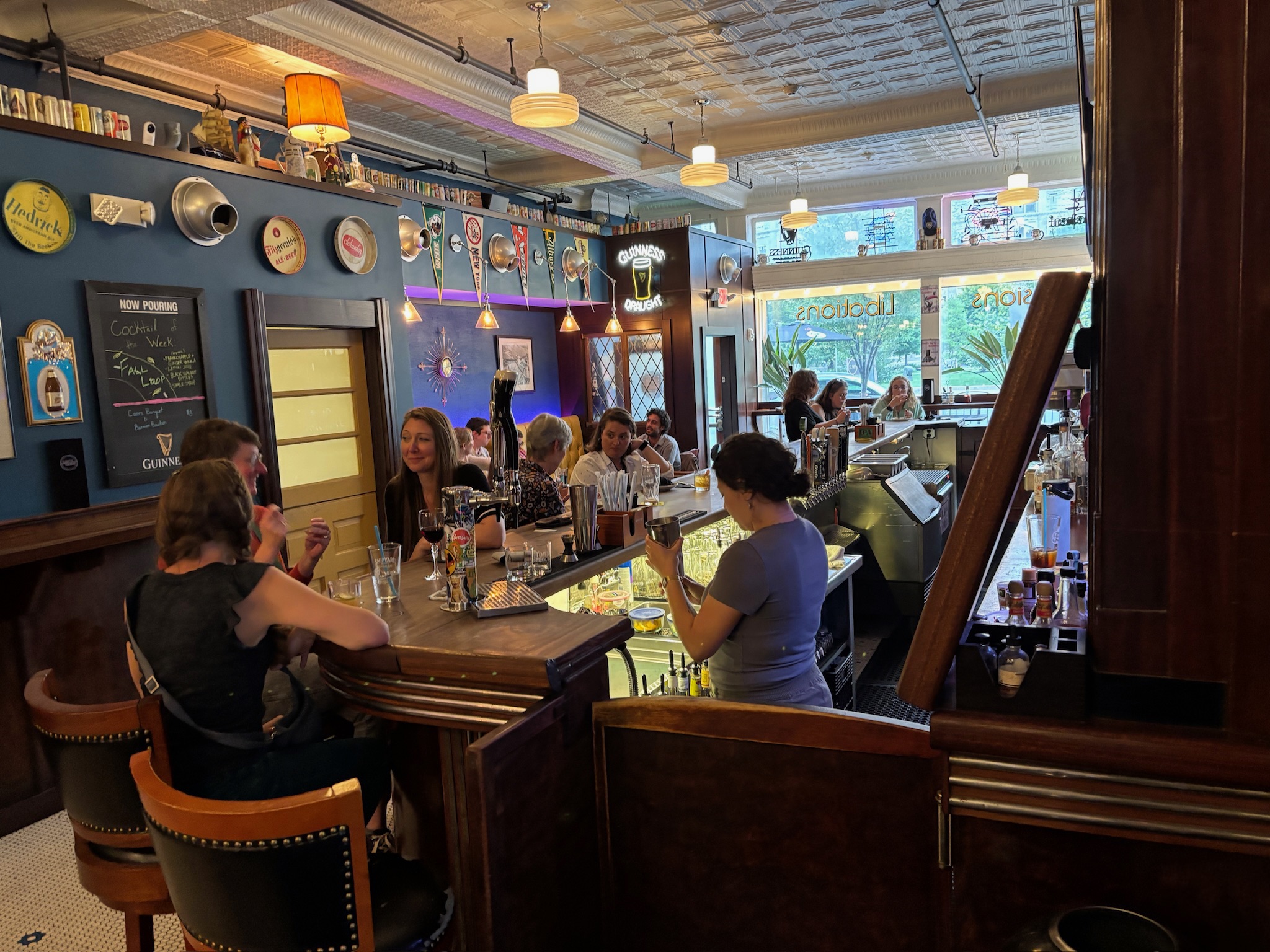
5:30-7pm – Happy Hour at Woodstone Tavern Sponsored by PCO through NE TOPP
Day 2
9-10:30am – Using Risk Assessment to Improve Inspection and Certification Review: Part II – Marni Karlin and Meredith Morgan
10:30-10:45am- Break
10:45am-12pm – AI in Action: Tools, Tips & Real-World Problem Solving for Organic Certification Staff
Bring your problems and we’ll work together to find a solution!
This hands-on workshop introduces organic certification staff to AI platforms and practical applications for their daily work. Participants will explore available tools, review best practices and data security policies, and then collaborate in small groups to tackle real certification challenges using AI, walking away with concrete strategies they can apply immediately.
Click here for a customizable budget worksheet and justification letter.
Portland, OR
October 1-2, 2026
Join us at the CLIMB Center, formerly known as the Central Portland Workforce Training Center, in central eastside Portland.
Final agenda details to come, but will include three hours of risk-based certification training as indicated below. The cost to attend is $400 and includes lunch on Day 1.
******
ACA has secured a discounted rate of $149/night at The Porter Portland, near the CLIMB center. Valet parking is also available at the reduced rate of $35/day. If you need this option, please mention it when you call to reserve.
Agenda – subject to change
Day 1
8:30-9am – Registration
9-10:30am – Using Risk Assessment to Improve Inspection and Certification Review Part I – Marni Karlin and Connie Karr
Verifying compliance with the organic regulations is not a one-size-fits-all proposition. Using a risk-based approach (assessing the risk to organic integrity of operations and situations, and then using that assessment to inform compliance verification procedures) will benefit the entire system – it will maximize the use of certification and inspection resources and talent, minimize unnecessary burdens on operations, and enable resources to be put toward areas where there is higher risk of compromise to organic integrity. Join us as we present ACA’s new risk-based certification tools and consider how they can improve the work of inspectors, reviewers, and certification overall.
10:30-10:45am – Break
10:45-11:45am – Wine Grapes – Gwen Wyard, SOS
11:45am-12:45pm – Lunch provided by ACA
12:45-1:45pm –Tree Fruit – WSDA
1:45-2pm – Break
2-3pm –Session IV
3-3:15pm – Break
3:15-4:30pm – Livestock – Liz Bell, Organic Valley
5pm – Happy Hour – Sponsored by OTCO through NW TOPP
Day 2
9-10:30am – Using Risk Assessment to Improve Inspection and Certification Review: Part II – Marni Karlin and Connie Karr
10:30-10:45am- Break
10:45am-12pm – AI in Action: Tools, Tips & Real-World Problem Solving for Organic Certification Staff – Connie Karr, Levi Fredrickson, Franklin Smith
Bring your problems and we’ll work together to find a solution!
This hands-on workshop introduces organic certification staff to AI platforms and practical applications for their daily work. Participants will explore available tools, review best practices and data security policies, and then collaborate in small groups to tackle real certification challenges using AI, walking away with concrete strategies they can apply immediately.
Click here for a customizable budget worksheet and justification letter.